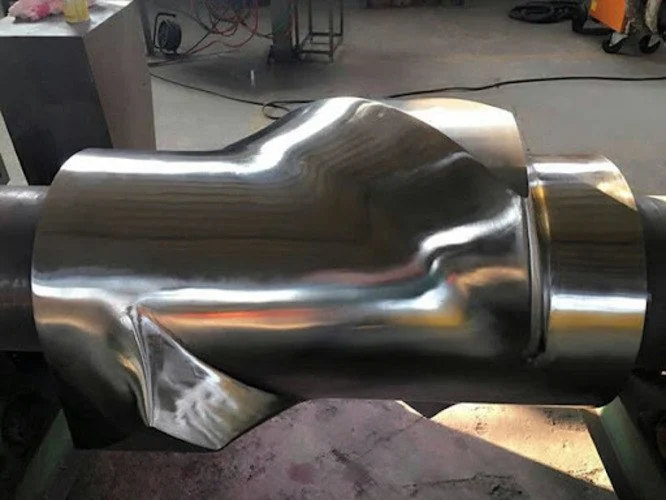
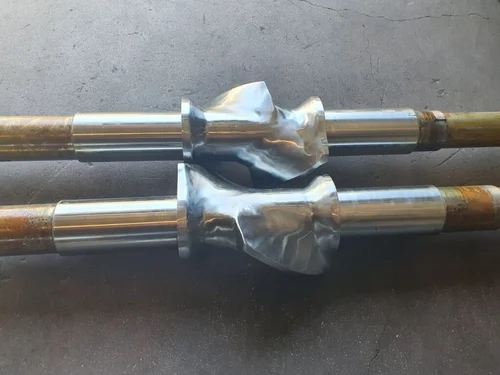
Rubber Kneader Rotor for Dispersion Kneader

High-quality rotors made from alloy steel with hard chrome plating, available in tangential and intermeshing types for various kneader capacities.

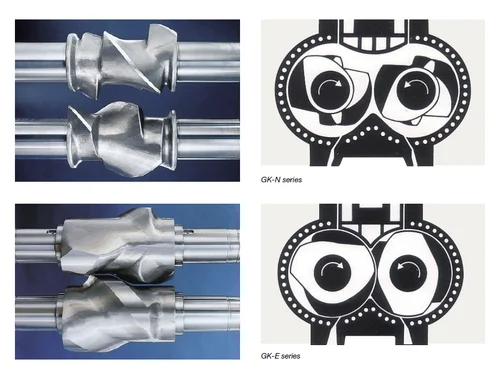
Intermix Rotor Three Blade Design Rubber Kneader Rotor with Hard Chrome Plating Tangential Rotor Design Intermeshing Rotor Design
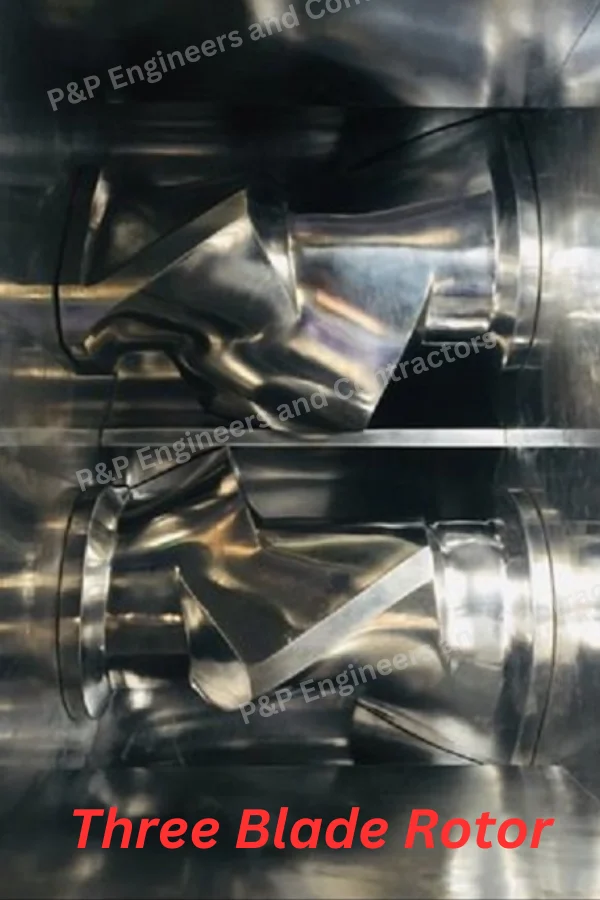
Rubber Kneader Rotor - Three Blade Design

Rubber Kneader Rotor

₹ 1,00,000
Get Latest Price
Mixing Capacity50 Kg
Chamber Volume100 Liter
Tilting MethodHydraulic
I Deal InNew Only
Country of OriginMade in India
AvailabilityIn Stock
50 Kg Rotor for Kneader Machine

Technical Specifications

1. Materials of Construction (MOC)

  • Base Material - Alloy Steel: High tensile strength and wear resistance. Common Grades: AISI 4140, 42CrMo.
  • Stainless Steel: For corrosion resistance, particularly in silicone or specialty rubbers. Common Grades: SS 304, SS 316.
  • Surface Hardening:
    • Hard Chromium Plating: Increases wear resistance and prevents sticking.
    • Nitriding Treatment: Enhances surface hardness to around 60-70 HRC.

2. Rotor Types

Tangential Rotors

Rotors rotate tangentially without meshing. Generates lower shear; ideal for heat-sensitive or soft compounds.

Examples: Standard tangential, Variable helix tangential.

Intermeshing Rotors

Rotors interlock, creating high shear. Suitable for high-viscosity materials and tough fillers.

Examples: Spiral intermessing, Helical intermessing.

3. Design Features

  • Helix Angle: Typically between 30�-60�, influences the mixing efficiency.
  • Rotor Speed: Fixed or variable, with typical ranges from 20-50 RPM. Differential speed ratio (e.g., 1:1.1 or 1:1.2) ensures efficient shearing.
  • Number of Wings: Usually 2 and 3 wings per rotor for controlled mixing. Three Blade Rotor shown in image.

4. Cooling/Heating Channels

  • Internal Channels: Allow circulation of water, steam, or oil to control rotor temperature.
  • Temperature Range: Typically handles temperatures between 20°C to 200°C.

5. Rotor Dimensions

  • Diameter and Length: Varies with the kneader capacity, e.g.:
    • 55 liters: Rotor diameter ~250-300 mm
    • 110 liters: Rotor diameter ~400-450 mm
  • Clearance Between Rotors and Chamber: Typically 0.2 to 1.0 mm for optimal mixing.

6. Surface Finish

Polished to a mirror finish (Ra < 0.4 �m) to prevent sticking and improve cleaning.

7. Applications for Rotor Types

Tangential Rotors

Used for natural rubber, elastomers, or compounds with minimal fillers.

Intermeshing Rotors

Used for high-carbon black compounds, silica-rich mixes, or heavy-duty industrial rubber.

Key Features

Alloy Steel Construction

Made from AISI 4140, 42CrMo alloy steel for high tensile strength and wear resistance.

Hard Chrome Plating

Increases wear resistance and prevents sticking of rubber compounds.

Nitriding Treatment

Enhances surface hardness to 60-70 HRC for extended service life.

Tangential & Intermeshing

Both rotor types available for different mixing requirements.

Cooling/Heating Channels

Internal channels for temperature control from 20°C to 200°C.

Mirror Finish

Polished to Ra < 0.4 �m to prevent sticking and improve cleaning.

Rotor Type Applications

Natural Rubber

Tangential rotors for natural rubber and elastomers with minimal fillers

High-Carbon Compounds

Intermeshing rotors for carbon-black compounds and silica-rich mixes

Heavy-Duty Industrial

For tough industrial rubber applications requiring high shear

30+
Years Experience
500+
Machines Installed
24/7
Service Support
12
States Served

Frequently Asked Questions

What materials are used for rubber kneader rotors?
Our rotors are made from alloy steel (AISI 4140, 42CrMo) with hard chrome plating or nitriding treatment for surface hardness up to 60-70 HRC. Stainless steel options (SS 304, SS 316) are available for silicone or specialty rubbers.
What is the difference between tangential and intermeshing rotors?
Tangential rotors rotate without meshing, generating lower shear ideal for heat-sensitive compounds. Intermeshing rotors interlock creating high shear, suitable for high-viscosity materials, carbon-black compounds, and heavy-duty industrial rubber.
What rotor sizes are available for different kneader capacities?
For 55 litre kneaders, rotor diameter is typically 250-300 mm. For 110 litre kneaders, rotor diameter is approximately 400-450 mm. Custom sizes available as per requirement.
What is the typical helix angle for rotors?
The helix angle typically ranges between 30�-60�, which influences the mixing efficiency and material flow during the compounding process.

Related Products

Need a Custom Rotor Configuration?

Get detailed specifications, pricing, and technical consultation for your specific rotor requirements.

Get Quote
Get Quote in 5 Min